A beginners's guide

Please log in or register to save events

Don’t have an account?

Create an account to save events and add to your calendar

Register now

×

Designer

Games Designer questions and answers

Let’s tackle some common questions about the designer career path in games.
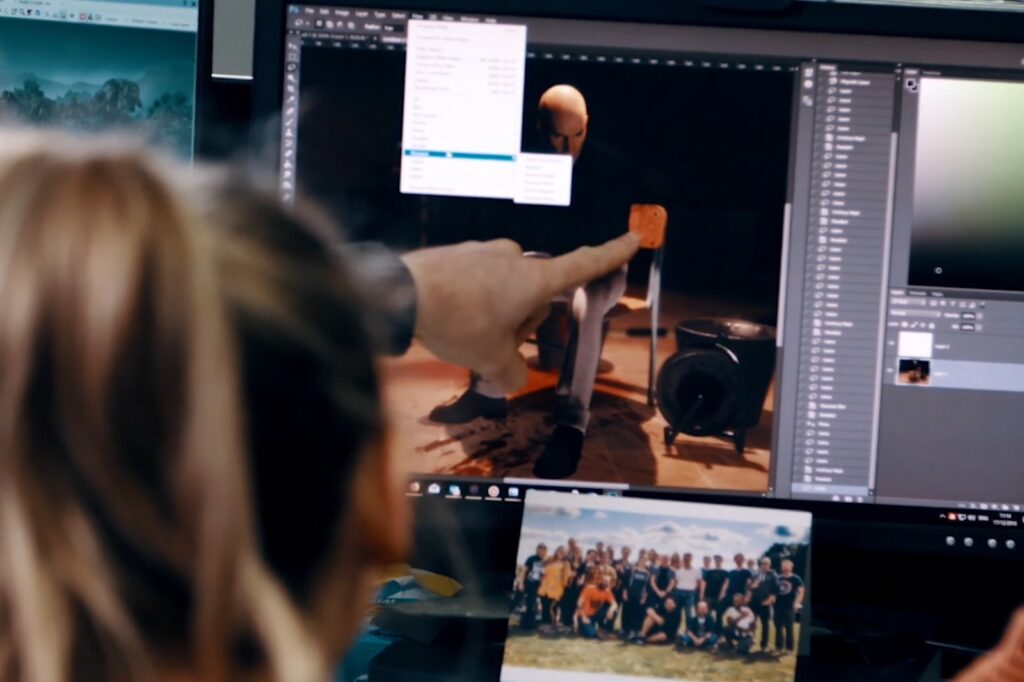
Games designers are people who make decisions about how a game will look, feel and play. They craft what players do and achieve and how they are rewarded inside the game, scaffolding challenges, story and feedback to move players through the game. Ultimately, they define the ‘fun’ of the game.

They define all the interactions users have with the game, including gameplay, levels and user interfaces using games engines like Unity and Unreal Engine. Designers work closely with artists and programmers, but also can work with writers or in smaller studios, write the game’s story themselves.

Games designers can start in a different area of a studio, like testing, art, tech support, QA or programming, before moving to become junior designers, or start as junior designers in their own right. Junior games designers often work as level designers, working on a piece of a game’s design, defining the flow of how users journey through a single level of a game, or as user interface designers, designing the controls players use to play the game. Starting salaries can range from between £20,000 to £24,000.

Senior designers will take more responsibility for the core gameplay of a game, establishing the rules of the game, how players progress and how to structure the challenges, rewards and feedback mechanisms of the game as a whole. In larger games, they will also oversee the metagame or the scaffolded challenges players overcome through the game. The most senior manage teams of designers. Salaries for medium to senior staff can range from between £32,000 to £45,000.

Games designers usually have a pretty good understanding of storytelling, why people play and how to reward them. Before starting careers, they often spend time analysing how many game work, and build up experience developing gameplay mechanics in their own games, someone else’s games (mods) or in game jams, the products of which they build into a portfolio. Games designers have to be able to visualise and then communicate their designs to programmers and artists, so they often have great communications skills.

Games companies usually have these 3 pieces of advice:

  1. Show your passion by doing everything you can to make games. See What next? below for some places to get started.
  2. Practice your teamworking skills by working in groups – that’s how games are actually made;
  3. Keep going and don’t be put off if knocked back.
  • What’s a games designer?

    Games designers are people who make decisions about how a game will look, feel and play. They craft what players do and achieve and how they are rewarded inside the game, scaffolding challenges, story and feedback to move players through the game. Ultimately, they define the ‘fun’ of the game.

  • What do they do?

    They define all the interactions users have with the game, including gameplay, levels and user interfaces using games engines like Unity and Unreal Engine. Designers work closely with artists and programmers, but also can work with writers or in smaller studios, write the game’s story themselves.

  • How do they start their careers?

    Games designers can start in a different area of a studio, like testing, art, tech support, QA or programming, before moving to become junior designers, or start as junior designers in their own right. Junior games designers often work as level designers, working on a piece of a game’s design, defining the flow of how users journey through a single level of a game, or as user interface designers, designing the controls players use to play the game. Starting salaries can range from between £20,000 to £24,000.

  • What about later in their careers?

    Senior designers will take more responsibility for the core gameplay of a game, establishing the rules of the game, how players progress and how to structure the challenges, rewards and feedback mechanisms of the game as a whole. In larger games, they will also oversee the metagame or the scaffolded challenges players overcome through the game. The most senior manage teams of designers. Salaries for medium to senior staff can range from between £32,000 to £45,000.

  • What skills and experience help them start their career?

    Games designers usually have a pretty good understanding of storytelling, why people play and how to reward them. Before starting careers, they often spend time analysing how many game work, and build up experience developing gameplay mechanics in their own games, someone else’s games (mods) or in game jams, the products of which they build into a portfolio. Games designers have to be able to visualise and then communicate their designs to programmers and artists, so they often have great communications skills.

  • How can I get started?

    Games companies usually have these 3 pieces of advice:

    1. Show your passion by doing everything you can to make games. See What next? below for some places to get started.
    2. Practice your teamworking skills by working in groups – that’s how games are actually made;
    3. Keep going and don’t be put off if knocked back.

What next?

8-11 year olds

* indicates required
  1. Watch the role videos on our careers pages and ask which roles appeal the most
  2. Start making games on a free online course from the National Videogame Museum
  3. Take a Digital Schoolhouse computing workshop
  4. Attend a Games Careers Week event that’s right for the age group
  5. Find out if a Digital Schoolhouse is near you
  6. Keep playing and making games as much as possible in spare time

12-15 year olds

* indicates required
  1. Watch the role videos on our careers pages and ask which roles appeal the most
  2. Take an introductory class on Gamemaker or Unity (see below)
  3. Attend a Games Careers Week event that’s right for the age group
  4. See if any Colleges or academies near you have games development courses like these from the NextGen Skills Academy
  5. Keep studying whichever of these GCSE subjects they enjoy: computer science, maths, art and design technology.

15-17 year olds

* indicates required
  1. Watch the role videos on our careers pages and ask which roles appeal the most
  2. Take classes on Unreal, Gamemaker or Unity (see below)
  3. Attend a Games Careers Week event that’s right for the age group
  4. It’s not essential to have a degree but degree courses accredited by industry programmes like TIGA’s or ScreenSkills’ can improve career chances for graduates
  5. Keep studying whichever of these A level subjects are favourites: computer science, maths, art and design technology.
  6. Keep playing and making games as much as possible in spare time

18+ year olds

* indicates required

  1. Research games roles through sites like Into Games, Grads in Games, British Esports Association and ScreenSkills
  2. Take BGI’s free Start your career in games development course on Futurelearn
  3. Teach yourself how to make games using any of the online courses below
  4. It’s not essential to have a degree but degree courses accredited by industry programmes like TIGA’s or ScreenSkills’ can improve career chances for graduates
  5. Attend a Games Careers Week event
  6. Attend an online games jam like these
  7. Build a portfolio of work, perhaps following advice from Grads in Games
  8. Find a games job via these job boards
  9. Keep playing and making games as much as possible in spare time

Essential resources

Below you will find a range of permanent resources running year round.

We have added age badges to guide you towards sites that have resources appropriate for the age group listed.

Parents – please note that our age badges are not certified age ratings so we recommend you review all materials to decide if they are appropriate for your child.

Games Careers Week is a free non-profit event organised by the National Videogame Museum. Made possible with supporter sponsor Boneloaf, and our proud partners: Grads In Games, NextGen Skills Academy, Women In Games and The Sheffield College.

Organised by

About the National Videogame Museum

The NVM, explores the history and cultural importance of videogames as well as providing award winning educational programmes. The NVM is governed by the BGI. Registered charity number 1183530.

Bonelaof
Bonelaof

Proud supporter of GCW 2024

Grads in Games
Grads in Games

Proud partner and co-founder of GCW.

Women In Games
Women In Games

Proud partner of GCW 2024.

The Sheffield College

Proud partner of GCW 2024.

NextGen Skills Academy

Proud partner of GCW 2024.

mayamda
mayamda

Proud partner of GCW 2024.

Contact Us

×